3 hr
Dolphin Sanctuary Eco Kayaking Adventure
Paddle ancient mangrove creeks in search of wild dolphins, historic wrecks, and thriving birdlife
Reserve
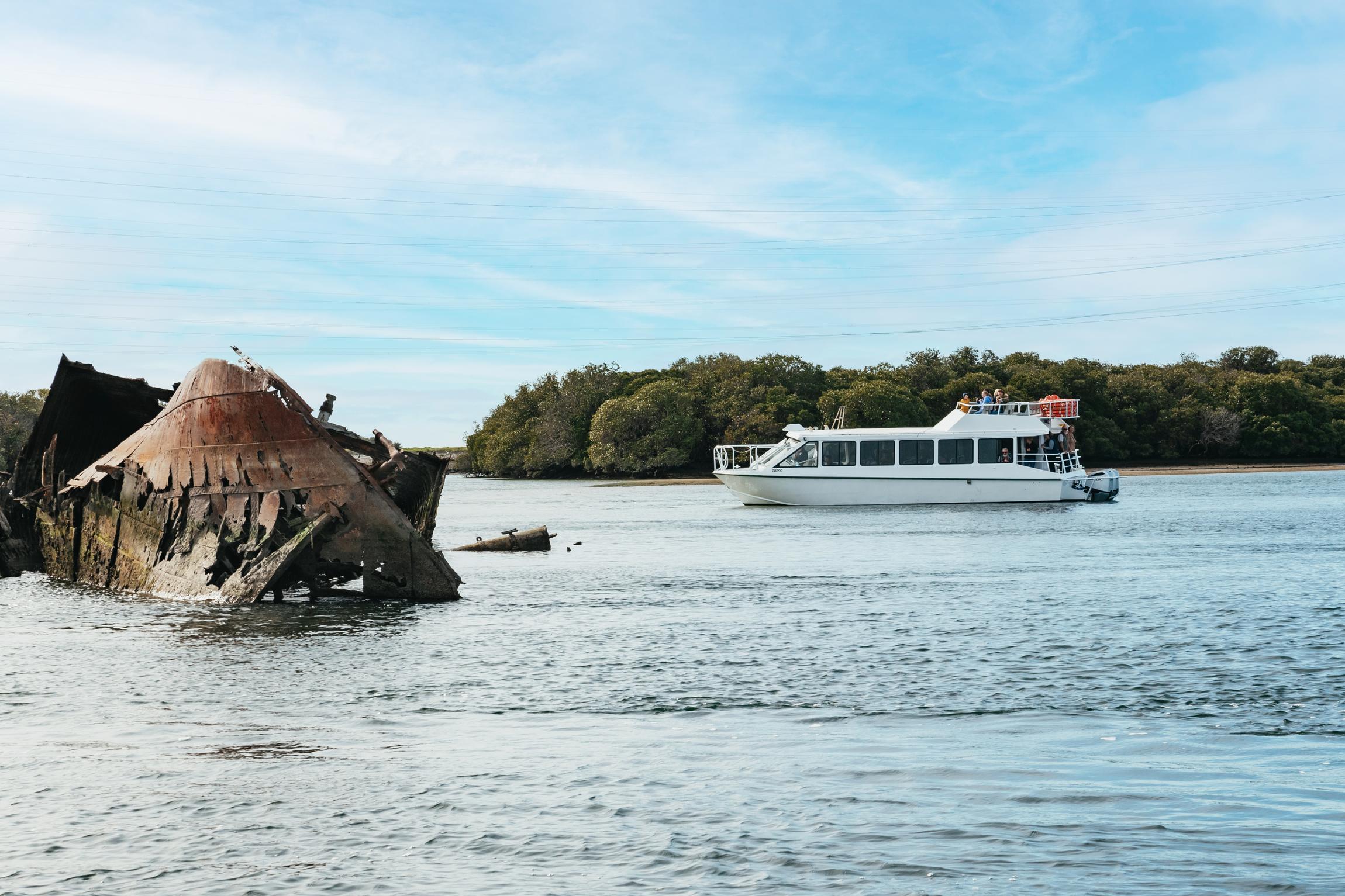
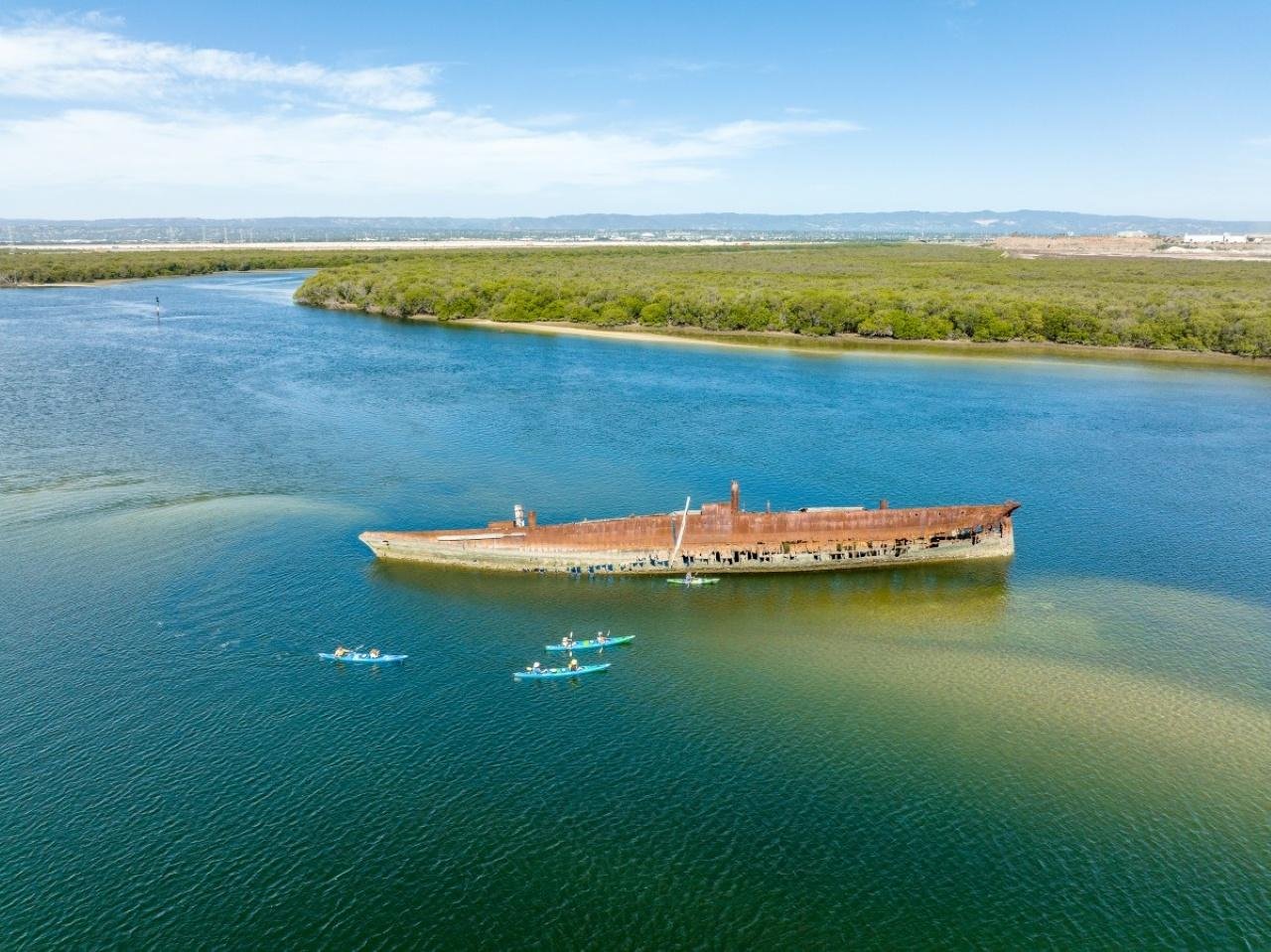
Rusted hulls hold the tideline, dorsal fins break the brown water.
Hand-picked by our editors — only the best 5 experiences from 240 reviewed.
Verified partners for every tour, free cancellation where available, and instant confirmation on every booking.
3 hr
Paddle ancient mangrove creeks in search of wild dolphins, historic wrecks, and thriving birdlife
Reserve
1 hr 30 min
Discover sunken vessels, wild dolphins, and migratory birds on a guided river journey through Adelaide's maritime past
Reserve
3 hr
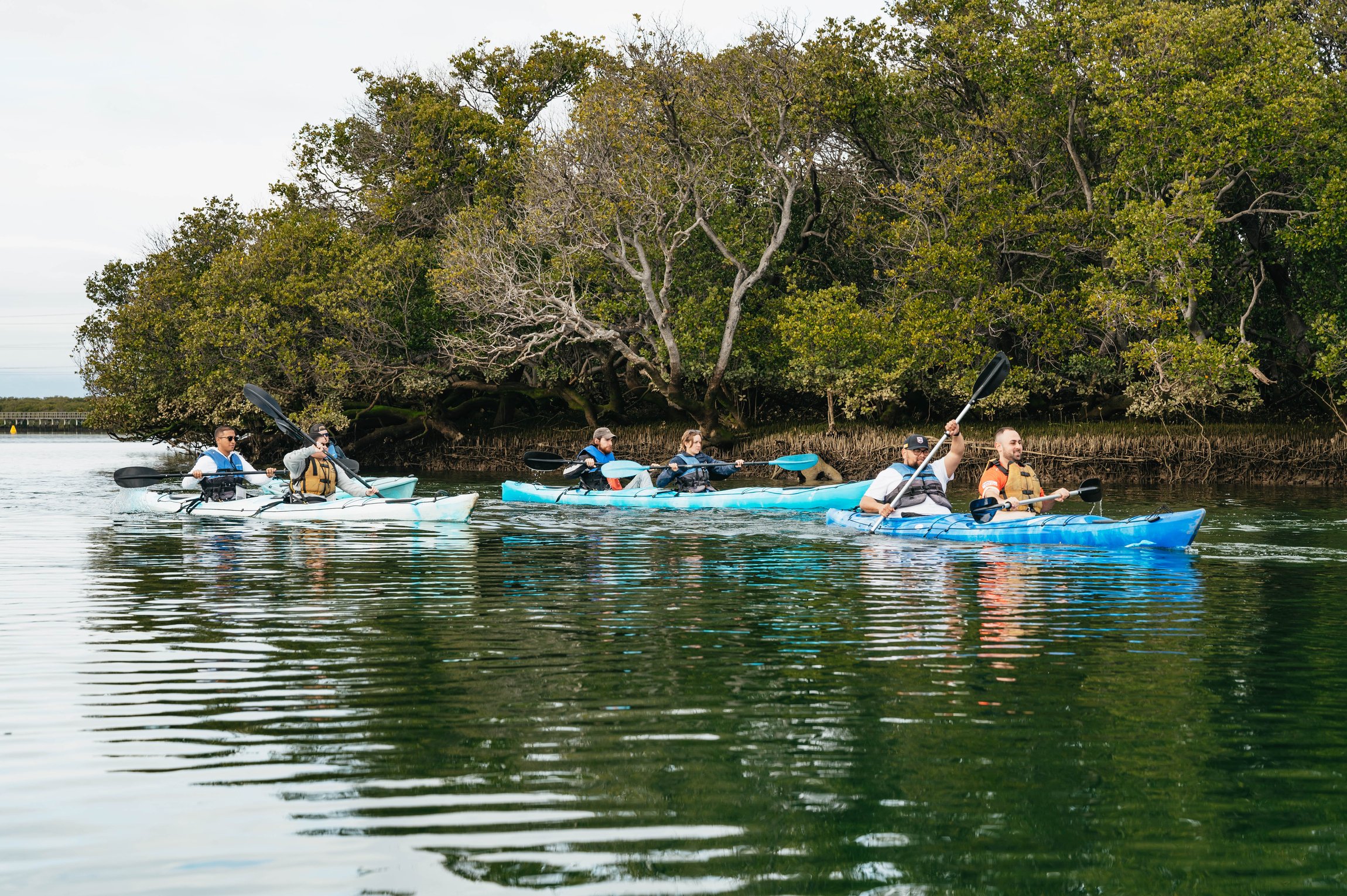
Paddle sheltered mangrove creeks to encounter wild dolphins and 20 historic shipwrecks on a 3-hour guided kayak adventure.
ReservePrices from verified partners. Availability updates in real time at checkout. Free cancellation policies apply where shown.
The landmarks, rooms, and views travelers on this tour remember — all visible on a single visit.
This protected area spans 118 square kilometers and is home to a resident pod of wild bottlenose dolphins. You will learn about their behaviors while navigating the river on your cruise.
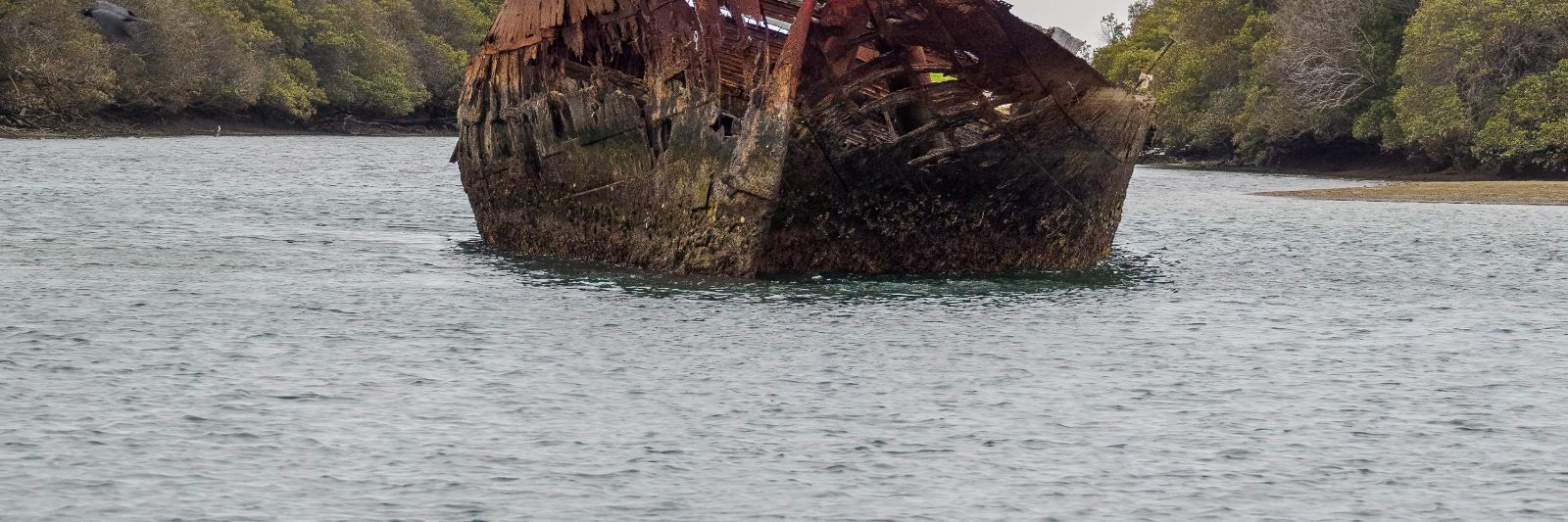
The Port Adelaide River serves as a final resting place for over 25 abandoned vessels, some dating back to the 1800s. These hulls offer a unique look at maritime engineering and historical decay.
Originally located at Wonga Shoal, this 1869 lighthouse was relocated to the Port Adelaide waterfront. It serves as a prominent landmark for cruises departing the inner harbor.
This island features significant mangrove forests and historically important quarantine station buildings. Many cruises pass by this scenic area while searching for wildlife.
Known for its expansive wetlands and diverse birdlife, this area is a critical part of the local ecosystem. It provides a peaceful backdrop during the port adelaide dolphin and ships graveyard cruise tour.
They complement each other; most visitors who do both call the port adelaide dolphin and ships graveyard cruise the more relaxing choice while kayaking offers a closer connection to the mangrove environment.
| Feature | Top pick Cruise Boat | Eco Kayaking |
|---|---|---|
Viewing perspective |
Elevated deck view | Water-level immersive view |
Physical exertion level |
Passive sitting | Moderate paddling effort |
Accessibility for children |
High stability | Limited to older children |
Proximity to wildlife |
Distanced observation | Potential for closer encounters |
Stability in water |
High stability | Variable based on balance |
Vessel type |
Motorized tour vessel | Non-motorized kayak |
| See tickets → |
Verdict: Choose the port adelaide dolphin and ships graveyard cruise tour for comfort and maritime history, or opt for the kayaking experience to actively navigate the mangroves where port adelaide dolphin and ships graveyard cruise tickets are not required for entry to the river area.
Choose your ticket, select your date, and reserve in under two minutes. Secure checkout handled by our verified partner.
Instant confirmation by email, with a mobile voucher you can save offline. No printing, no queuing at a collection desk.
Arrive at the entrance, show your voucher on your phone, and walk in. Most tickets include priority or skip-the-line access.
Best time to go, insider tips, nearby landmarks, and the cancellation fine print — flip through to skim what matters to you.
How crowds, weather, and events shift across the year.
December–February offers warm temperatures and high dolphin activity. Book port adelaide dolphin and ships graveyard cruise tickets in advance during school holidays.
March–May provides calm river conditions. Ideal for morning tours when the water is glass-like for photography.
June–August is cooler, but many dolphins remain active in the harbor. Fewer crowds make for a peaceful excursion.
September–November is perfect for wildlife enthusiasts. Expect active marine life as temperatures begin to rise.
Small details that turn a good visit into a great one.
Secure your port adelaide dolphin and ships graveyard cruise tickets at least one week in advance during peak season. This ensures your preferred departure time.
Check tide charts before you go. Low tide often reveals more of the decaying ship hulls in the graveyard.
Keep your eyes on the water surface for dolphin fins. The river is a natural habitat, so sightings are frequent but never guaranteed.
The reflection off the water increases UV exposure. Apply sunscreen even on overcast days during your river tour.
The wind on the river is stronger than on land. A light windbreaker is helpful even in warmer months.
The crew are knowledgeable about local history. Feel free to ask about the specific vessels in the graveyard.
Non-bookable sights within a short walk — free to visit, easy to pair.
Explore the rich maritime history of South Australia.
Displays of historic trains and engines.
A classic coastal area with a long jetty.
An iconic red and white structure originally from Wonga Shoal.
Flexible, no hidden fees.
Full refunds are available for cancellations made at least 48 hours prior to departure. No refunds are provided for cancellations within 48 hours of the tour time.
Hand-picked options within walking distance — pick a district for vibe, or a specific hotel for convenience.
Apartment-style lodging near the waterfront.
Historic accommodation in the heart of Port Adelaide.
Various options within the city center.
The iron barque Santiago, launched in 1856, was close to ninety years old when it was scuttled off Garden Island in 1945. Its ribs still break the mudflat at low water. Around twenty-five vessels lie in the same shallows between Garden Island and the North Arm, making this the largest ships' graveyard in South Australia. The route followed by a Port Adelaide Dolphin and Ships Graveyard Cruise threads directly through them. Ferries, barges, tugs and steel-hulled schooners were left here across the decades between 1909 and the 1940s. The vessels were not lost. They were disposed of. As the port modernised, owners found it cheaper to strip a hull of anything saleable and beach it in the mangroves than to break it up on land. The mud proved a patient archivist. Grey mangrove, Avicennia marina, colonised the frames; oysters sealed the seams; estuary silt held the keels upright rather than crushing them. What reads today as decay is, in archaeological terms, an unusually legible record of Australian coastal shipping — hull forms, fastening methods and construction sequences left in the open. The other half of the story arrived far more recently. The Adelaide Dolphin Sanctuary was declared under South Australian legislation in 2005, protecting roughly 118 square kilometres of the Port River estuary, its tidal creeks and its mangrove forest. A resident community of Indo-Pacific bottlenose dolphins, Tursiops aduncus, numbering around thirty animals, lives inside a working commercial port — an arrangement with few parallels anywhere. Port Adelaide River dolphin watching is therefore not a wildlife excursion staged at a safe remove from industry; Port Adelaide Dolphin and Ships Graveyard Cruise tours run past container berths, the Barcoo Outlet and the stacks of Torrens Island. That collision of registers gives the estuary its character. Mangrove seedlings root inside a steel hull. A dolphin surfaces beside a rusting rudder post. A Port Adelaide Dolphin and Ships Graveyard Cruise tour is best understood as a passage across two timescales at once: one measured in shipping registers, the other in tides.
"The mud proved a patient archivist, holding keels upright where open sea would have crushed them."
You can book port adelaide dolphin and ships graveyard cruise tickets via the operator's website or the live inventory grid on this page.
The best arrival window for wildlife activity is between 09:00 and 14:00.
Yes, you can visit the South Australian Maritime Museum after your port adelaide dolphin and ships graveyard cruise tour.